Avoid hidden charges in Canary Wharf cleaning quotes
Posted on 10/10/2026
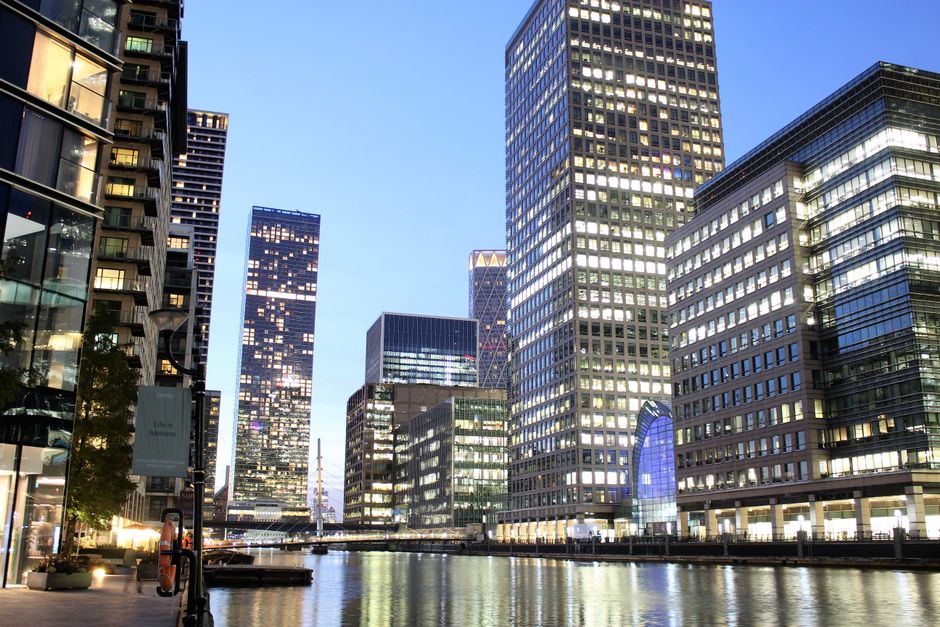
If you have ever looked at a cleaning quote that seemed perfectly reasonable at first, only to spot a few awkward extras later, you are not alone. Hidden charges in Canary Wharf cleaning quotes can turn a tidy booking into an annoying surprise, especially when you are comparing office, domestic, or end-of-tenancy services in a busy part of London where time is already tight. The good news is that most of these costs can be avoided if you know what to ask, what to check, and what a proper quote should actually include.
This guide breaks down how hidden fees usually creep in, how to spot them early, and how to compare cleaning quotes with a calmer head. You will also find a practical checklist, a comparison table, and a few real-world pointers that make the whole process less guessy. Because let's face it, nobody enjoys reading a quote at 8:45 in the evening and wondering whether "extra" means extra value or extra money.
Why hidden charges matter
Hidden charges matter because a cleaning quote is not just a number; it is a promise about scope, expectations, and trust. If the price looks low but the service only covers a sliver of what you actually need, you can end up paying more after the fact. In Canary Wharf, where many properties are apartments, managed buildings, and office spaces with specific access rules, these gaps can appear fast.
For example, one cleaner may quote for a standard carpet clean but later add on charges for stain treatment, moving light furniture, parking, or difficult access. Another may advertise a flat rate for end-of-tenancy cleaning but treat oven cleaning, inside cupboards, or balcony work as optional extras. None of that is automatically unfair, but it does need to be clear before you agree.
The problem is not just cost. Hidden fees create friction, delay decisions, and make it harder to compare providers on a like-for-like basis. If two quotes are written differently, the cheaper one is not necessarily the better value. Sometimes it is just less complete.
Practical takeaway: a good quote should help you understand the full job, not leave you decoding it line by line with a cup of tea and a frown.
How hidden charges in Canary Wharf cleaning quotes work
Most hidden charges appear when a quote is built on assumptions instead of a full site picture. That is especially common in fast-moving areas like Canary Wharf, where properties vary from compact flats to larger serviced offices. A quote might start as a simple hourly rate or fixed fee, then grow once the cleaner sees the actual condition, layout, or access requirements.
Here is how it usually happens in practice:
- Scope is vague. The quote says "general clean" but does not explain what rooms, surfaces, or tasks are included.
- Condition is assumed. The provider prices for an average condition, then adds charges if the property needs extra attention.
- Access is not considered. Lift delays, parking limits, security checks, or restricted loading can all affect labour time.
- Materials are excluded. Some quotes cover labour only, while others include equipment and specialist products.
- Special tasks are treated as add-ons. Carpet stain removal, upholstery treatment, descaling, deep kitchen cleaning, or post-build dust removal may cost more.
The key point is simple: a quote can be honest and still incomplete. That is why written detail matters so much. If you know what is excluded, you are far less likely to be surprised later. And if the provider cannot explain the pricing in plain English, that is usually a sign to pause.
In our experience, the best cleaning companies do not mind questions. They expect them. The conversation tends to be smoother from the start because everyone is working from the same picture.
Key benefits and practical advantages
A transparent quote does more than save money. It makes the whole process easier to manage. You can plan budgets properly, avoid awkward disputes, and choose a provider based on quality rather than a headline price that looks clever but isn't terribly useful.
Here are the main benefits of avoiding hidden charges:
- Better budgeting: You know what you are likely to pay before work begins.
- Cleaner comparisons: You can compare providers on the same scope, not just the same number.
- Fewer disputes: Clear terms reduce the chance of disagreements after the clean.
- More trust: Transparency usually signals professionalism and a more organised business.
- Better results: When the quote reflects the true job, the team can arrive prepared.
There is also a quieter benefit: peace of mind. If you are arranging an end-of-tenancy clean before check-out, or trying to keep an office presentable before a Monday morning meeting, the last thing you want is a pricing conversation halfway through the job. Nobody needs that little drama.
For people who value consistency, transparent pricing is often linked to service quality more broadly. A company that is clear about its pricing is often also clearer about its scope, timing, and aftercare. Not always, of course, but often enough to notice.
Who this is for and when it makes sense
This guidance is useful for almost anyone booking cleaning services in Canary Wharf, but it is especially relevant if you are comparing more than one provider or if your property has any complexity. That might mean strict building access, high-traffic office areas, delicate surfaces, or a flat that has not had a deep clean in a while.
You will get the most value from this approach if you are:
- A tenant booking end-of-tenancy cleaning and trying to avoid checkout deductions.
- A landlord or letting agent needing a reliable, repeatable clean with no billing surprises.
- An office manager comparing routine or one-off commercial cleaning quotes.
- A homeowner or resident arranging domestic or spring cleaning in a busy household.
- A property buyer or seller preparing a flat or office for handover.
- Someone with specialist items such as upholstery, carpets, or curtains that may need separate care.
It also makes sense if the quote seems unusually low. That is often where the fine print starts whispering. On the other hand, a higher quote is not automatically suspicious. Sometimes it simply includes everything properly. The trick is to know which is which.
If you are looking at a broader service package, browsing the services overview can help you understand how different cleaning types are usually grouped and quoted.
Step-by-step guidance
Here is a practical way to avoid hidden charges before you book. It is not glamorous, but it works.
1. Ask for a written quote, not just a quick number
A phone estimate can be useful as a starting point, but a written quote is where the detail lives. Ask for the price to be broken down clearly. If a company only gives you a broad figure with no scope, keep going.
2. Define the job room by room
Be specific. For a flat, list the kitchen, bathroom, living room, hallway, bedrooms, and any extras like balconies or utility rooms. For an office, clarify desks, communal areas, kitchens, toilets, meeting rooms, and entrance spaces. The more precise you are, the less room there is for post-job add-ons.
3. Ask what is included and what is excluded
This is where hidden charges often reveal themselves. Ask directly:
- Is materials and equipment included?
- Are stain treatments separate?
- Is oven cleaning included?
- Are internal windows included?
- Are moving furniture or heavy items extra?
- Does access time affect the price?
4. Confirm the condition assumptions
Some quotes assume an average condition. That can be fine, but only if the assumption is stated. If the property has not been cleaned in months, has pet hair, grease build-up, or construction dust, say so early. It is far better to be honest upfront than to argue later.
5. Clarify access and parking
In Canary Wharf, access matters more than people expect. If a cleaner needs to park far away, wait for security, or work around lift restrictions, time can increase. That does not mean you should accept vague fees, but it does mean access details should be shared before pricing is finalised.
6. Get the final price in writing before work begins
This is the simplest protection. If the cleaner discovers something unexpected, ask them to explain the change and confirm it before proceeding. A small pause can save a bigger headache. Tiny admin, big relief.
For jobs like deep cleaning, it is also sensible to review a dedicated service page such as deep cleaning in Canary Wharf so you can see how a more intensive clean is usually framed.
Expert tips for better results
There are a few habits that make a real difference when you are trying to keep a cleaning quote transparent. None of them are complicated, which is probably why they are so often skipped.
- Use photos when describing the job. A few clear images of the kitchen, bathroom, carpets, or office areas can prevent a lot of misunderstanding.
- Ask for itemised pricing where appropriate. It does not need to be military-grade detail, but it should be clear enough to follow.
- Check whether VAT is included. A quote can look competitive until tax appears later, so ask outright if the figure is inclusive or exclusive.
- Watch for "from" pricing. That wording is not always bad, but it usually means the final amount depends on conditions. Fair enough, but it needs explanation.
- Compare scope, not just price. A full end-of-tenancy clean and a basic surface clean are not the same thing, even if the numbers are close.
- Keep communication in one place. Email is useful because it leaves a record. Handy when memory gets fuzzy later, which, to be honest, happens to all of us.
One small but useful habit is to ask, "If the condition is exactly what I have described, will the price change?" That question is calm, direct, and surprisingly revealing.
If you want a clearer sense of pricing structure before requesting a quote, the page on pricing and quotes is a sensible place to start.

Common mistakes to avoid
Most quote problems are avoidable. The trouble is that people are often in a hurry, and the cheapest option can feel oddly comforting at the moment of decision. Then the invoice arrives. Ah. Right.
Here are the mistakes that create the most trouble:
- Choosing purely on price. A low headline rate means little if the quote leaves out important tasks.
- Not checking exclusions. If add-ons are not written down, they may not be obvious until later.
- Assuming all cleaners define "deep clean" the same way. They do not. Not even close, sometimes.
- Forgetting building restrictions. Access issues can affect timing and cost, especially in managed Canary Wharf properties.
- Not telling the truth about condition. A quote based on "light use" is going to be off if the kitchen needs serious attention.
- Ignoring cancellation or rescheduling terms. These are not exactly hidden charges, but they do matter.
- Failing to ask about equipment. If specialist machines or products are needed, find out whether they are included.
A quick rule helps here: if a term sounds slightly too vague, treat it as unfinished. Ask again. It is not awkward; it is sensible.
For related household care work, you may also find value in reading about upholstery cleaning in Canary Wharf, since specialist fabrics often come with their own pricing rules and care requirements.
Tools, resources and recommendations
You do not need fancy software to avoid hidden charges. A simple, organised approach is usually enough. Still, a few practical tools make life easier.
- A written checklist: List rooms, surfaces, and special items before requesting quotes.
- Phone photos or a short video: Useful for showing condition without trying to describe every mark and smudge by memory.
- One comparison table: Keep provider names, scope, price, exclusions, and notes in one place.
- Email thread or message record: Helpful if you need to revisit what was agreed.
- Building access details: Lift codes, concierge arrangements, parking rules, or loading bay limits can all matter.
It is also worth reviewing related company pages if you want to understand service boundaries. For example, the about us page can help you gauge how a provider presents itself, while terms and conditions usually explain the small-print bits that people skim too quickly.
For a broader sense of the company's approach to cleanliness in homes, domestic cleaning in Canary Wharf and house cleaning in Canary Wharf are useful companion pages.
Law, compliance, standards and best practice
Cleaning quotes are not usually governed by a single simple rulebook, but there are important expectations around fairness, clarity, safety, and service description. In the UK, businesses should not misrepresent what is included, and consumers should not be misled by unclear pricing. That is the practical point to keep in mind.
From a best-practice perspective, a transparent quote should:
- state what is included and excluded;
- identify any extra charges in advance;
- make assumptions clear, especially on condition and access;
- set out payment timing and cancellation terms;
- avoid ambiguous wording where a customer could reasonably be misled.
There are also safety and insurance considerations. If a company is entering a home or workplace, it should have sensible processes in place for equipment, risk control, and staff conduct. If you are comparing providers, it is reasonable to ask about insurance and safety expectations. That is not being difficult. It is normal due diligence. Honestly, it should be normal everywhere.
If your booking involves a commercial space, the standards around access, waste handling, and working around people matter even more. A good provider will explain how they handle those situations without turning the quote into a mystery novel. For a fuller view of those safeguards, see insurance and safety and health and safety policy.
Options, methods and comparison table
Not all quotes are structured the same way. Some are fixed, some are estimate-based, and some start with a base cost then add extras if needed. Knowing the difference helps you judge where hidden charges are most likely to appear.
| Quote style | How it works | Typical risk | Best used when |
|---|---|---|---|
| Fixed-price quote | A set amount is agreed in advance for a defined scope. | Low, if the scope is detailed properly. | You know the rooms, condition, and tasks fairly well. |
| Estimate | An approximate cost is given, usually subject to final review. | Medium, because the final price may shift. | The job is not fully visible or access needs confirming. |
| Base rate plus add-ons | A starting price is shown, with extras charged for specific tasks. | Higher, unless extras are listed clearly. | The job is modular, such as carpet, oven, or upholstery work. |
| Hourly rate | You pay for time spent rather than a fixed finished scope. | Can be hard to predict if the job expands. | One-off cleaning where priorities may change on site. |
For many readers, the safest option is not necessarily the cheapest or the fanciest. It is the clearest. A fixed-price quote with a well-written scope often gives the best balance of certainty and fairness. That said, some one-off jobs genuinely suit hourly pricing, especially when the task list is flexible.
Case study or real-world example
Picture a tenant in a Canary Wharf apartment preparing for check-out. The property looks tidy enough at first glance, but the kitchen has stubborn grease around the hob, the carpet by the sofa has a visible patch, and the bathroom needs more than a quick wipe. The first quote they receive is pleasantly low. Almost suspiciously low, if we are being honest.
After asking a few simple questions, they discover that the price only covers a basic surface clean. Oven cleaning is extra. Carpet stain treatment is extra. Internal windows are extra. Even access timing could increase the charge because the booking slot is narrow. The quote was not false, just incomplete.
The tenant then requests a more detailed written breakdown, shares photos, and clarifies the property condition. The second quote is higher, but it includes the actual job. No surprise extras, no awkward handover, no late-night invoice drama. In the end, the clearer quote is the cheaper one, because it helps avoid repeat visits and checkout headaches.
That is the pattern you see again and again. The most transparent quote is often the most economical over the full job, even if the headline price looks a little less exciting.

Practical checklist
Use this checklist before you agree to any cleaning quote in Canary Wharf. It takes a few minutes and can save a lot of back-and-forth later.
- Have I received the quote in writing?
- Does it clearly describe the rooms or areas covered?
- Are materials, equipment, and labour included?
- Are parking, access, and security issues mentioned?
- Are stain removal, oven cleaning, or specialist tasks included or excluded?
- Is VAT included in the price, if relevant?
- Does the quote mention the property's condition assumptions?
- Are cancellation, rescheduling, and payment terms clear?
- Have I compared at least two quotes on the same scope?
- Do I know exactly what would trigger an extra charge?
Quick rule of thumb: if you cannot explain the quote back to someone else in one clear breath, it probably needs more detail.
Conclusion
Avoiding hidden charges in Canary Wharf cleaning quotes is really about clarity, preparation, and asking a few sensible questions before you book. That is all. Nothing fancy. When the scope is detailed, the exclusions are obvious, and the access conditions are understood, the whole process becomes easier and far less stressful.
Whether you are arranging a home clean, a deep clean, or a commercial booking, the same principle applies: compare like with like, get the key details in writing, and do not be rushed by a tidy-looking headline price. A little care at the start can save time, money, and a fair bit of irritation later.
And if the quote still feels cloudy, pause. Ask again. A good provider will welcome that conversation.
Get a free quote today and see how much you can save.


